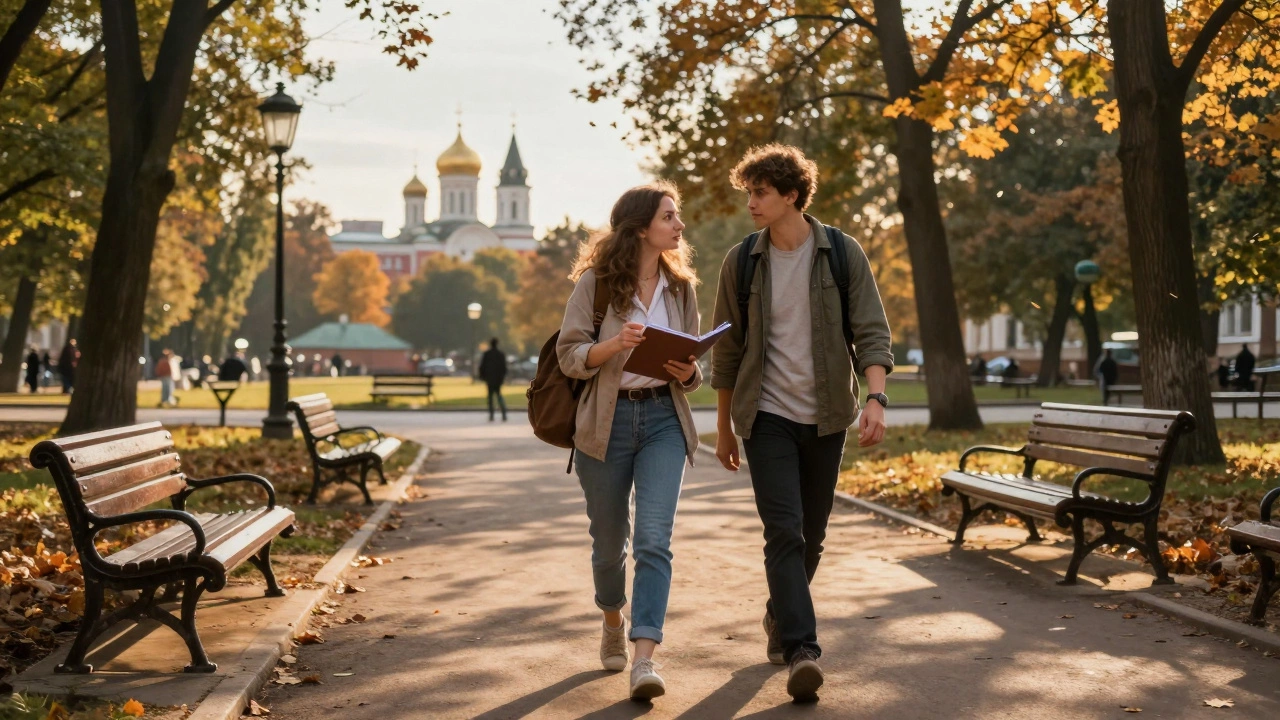
People often assume Russian escorts are just about romance or intimacy, but that’s not what they are - not really. In Russia, the word escort comes from the same root as guide. These are paid guides. They help visitors navigate cities they don’t know, translate languages they don’t speak, and show them places guidebooks won’t mention. They’re not there to be a date. They’re there to make sure you don’t get lost - literally or culturally.
Some travelers stumble onto escort pariq services thinking they’re booking companionship, but what they actually get is someone who knows the backstreets of Saint Petersburg better than their own neighborhood. One woman from Texas told me she hired an escort in Moscow just to find a decent borscht that wasn’t in a tourist trap. She ended up spending three hours with her escort, learning how to make it herself, visiting three markets, and getting a crash course in Soviet-era architecture. That’s not a date. That’s a cultural immersion.
They’re Not What You See in Movies
Western media paints Russian escorts as glamorous, dangerous, or tragic. Real-life escorts in Russia don’t wear designer dresses to high-end clubs. Most work in plain clothes, carry a notebook with addresses and phone numbers, and schedule meetings in quiet cafes or public parks. They’re often university students, retired teachers, or former tour guides who need extra income. Some speak three languages. Others specialize in history, art, or even Soviet-era pop music.
There’s no official licensing, but there’s an unspoken code. Good escorts don’t push for more than what’s agreed. They don’t pressure clients. They don’t lie about their background. They show up on time. And if you ask them about their personal life, they’ll tell you - but only if they want to.
How It Actually Works
Booking an escort in Russia isn’t like ordering food online. You usually find them through word of mouth, local expat forums, or trusted agencies that have been around for years. The price isn’t based on looks or age - it’s based on time, language skills, and what you need. A three-hour walk through Yekaterinburg with someone who can explain the history of the Ural Mountains? That might cost $60. A full day in Sochi with someone who knows every hidden beach and local fish market? That’s $150.
Most clients are solo travelers, researchers, or businesspeople who want to understand the culture beyond the surface. Some are journalists. Others are artists looking for inspiration. A few are just lonely people who want to talk to someone who doesn’t judge them for being out of place.
Escort Pairs and Why They Exist
Not every escort works alone. Some operate in escort pairs - two people who team up for longer trips or complex itineraries. One might handle logistics and translation, while the other focuses on cultural context or emotional support. This setup is common for multi-city tours or when clients are visiting family in rural areas where even basic communication is hard.
One couple from Canada hired a pair in Novosibirsk to help them reconnect with their Russian grandmother. The first escort spoke fluent English and helped them navigate train schedules. The second, a retired librarian, knew the family’s old neighborhood and brought them to the exact bench where their grandmother used to sit and feed pigeons. That kind of detail can’t be Google-mapped. It’s passed down, and that’s what these pairs offer.

The Language Barrier Isn’t Just About Words
Many people assume Russian escorts are hired because they speak English. That’s true - but only partly. The real value is in how they explain things. A simple phrase like “the metro is closed” in Russian carries cultural weight. It might mean the station is under renovation, or it might mean there’s a protest nearby. An escort doesn’t just translate the words - they translate the meaning behind them.
There’s also the issue of tone. Russians don’t smile at strangers. They don’t say “have a nice day” when you leave a store. To a foreigner, that can feel cold. An escort explains it: it’s not rudeness. It’s respect. People save their warmth for those they know. That’s why spending time with an escort feels so personal - you’re being let into a space where people actually care.
Escorte Maris: A Different Kind of Service
Some clients specifically look for escorte maris - a term used locally to describe female escorts who specialize in helping older men, often widowers or retirees, reconnect with daily life. These escorts don’t offer romance. They offer routine. Coffee in the morning. A walk in the park. Help with grocery shopping. Conversation without agenda.
One man in his late 70s from Germany told me he hired an escorte maris in Kazan after his wife passed away. He didn’t want to be alone in his hotel room. He didn’t want to be treated like a tourist. He just wanted someone to sit with him while he ate his breakfast and talked about his wife. That’s what she did. For three weeks. Every morning. No questions asked.
Why This Model Works
Unlike traditional tourism services, Russian escorts don’t sell experiences. They sell presence. They don’t take you to the Hermitage because it’s famous. They take you there because they remember when it was quiet, before the crowds, and they know which room has the best light for photographing the Rembrandts.
There’s no contract. No app. No rating system. Trust is built slowly, face to face. And once it’s there, it lasts. Many clients return year after year - not for the same service, but for the same person.
What You Should Know Before Trying It
If you’re thinking about hiring an escort in Russia, here’s what matters:
- Don’t assume they’re available on short notice. Most plan their schedules weeks ahead.
- Be clear about what you want. “Show me Russia” is too vague. Say “I want to see how ordinary people live on weekends” or “I want to understand why Russians love their dachas.”
- Respect boundaries. If they say no to a question, don’t push.
- Pay in cash. Digital payments are rare and often suspicious.
- Don’t expect them to be your friend. They’re a professional. But they might become one.
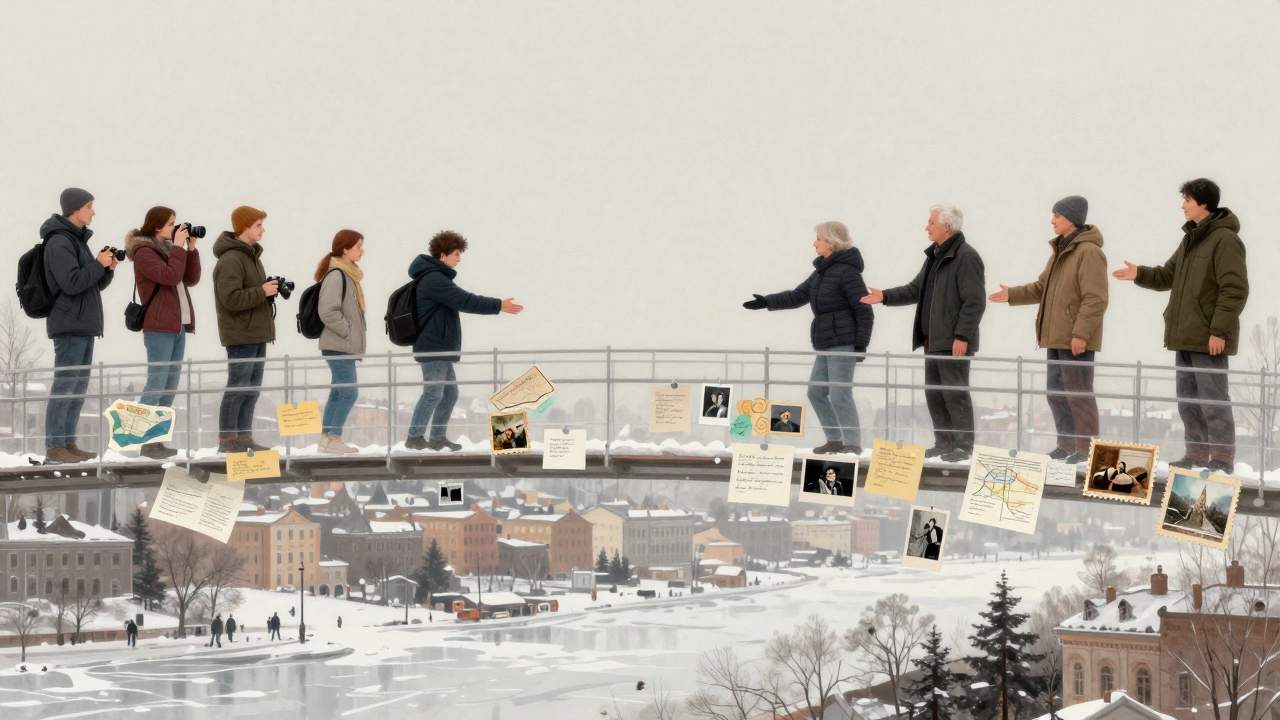
The biggest mistake people make? Trying to turn the experience into something it’s not. This isn’t a fantasy. It’s a bridge. And if you cross it with humility, you’ll come out the other side with more than a story. You’ll come out with a new way of seeing a country.